netpub60@gmail.com
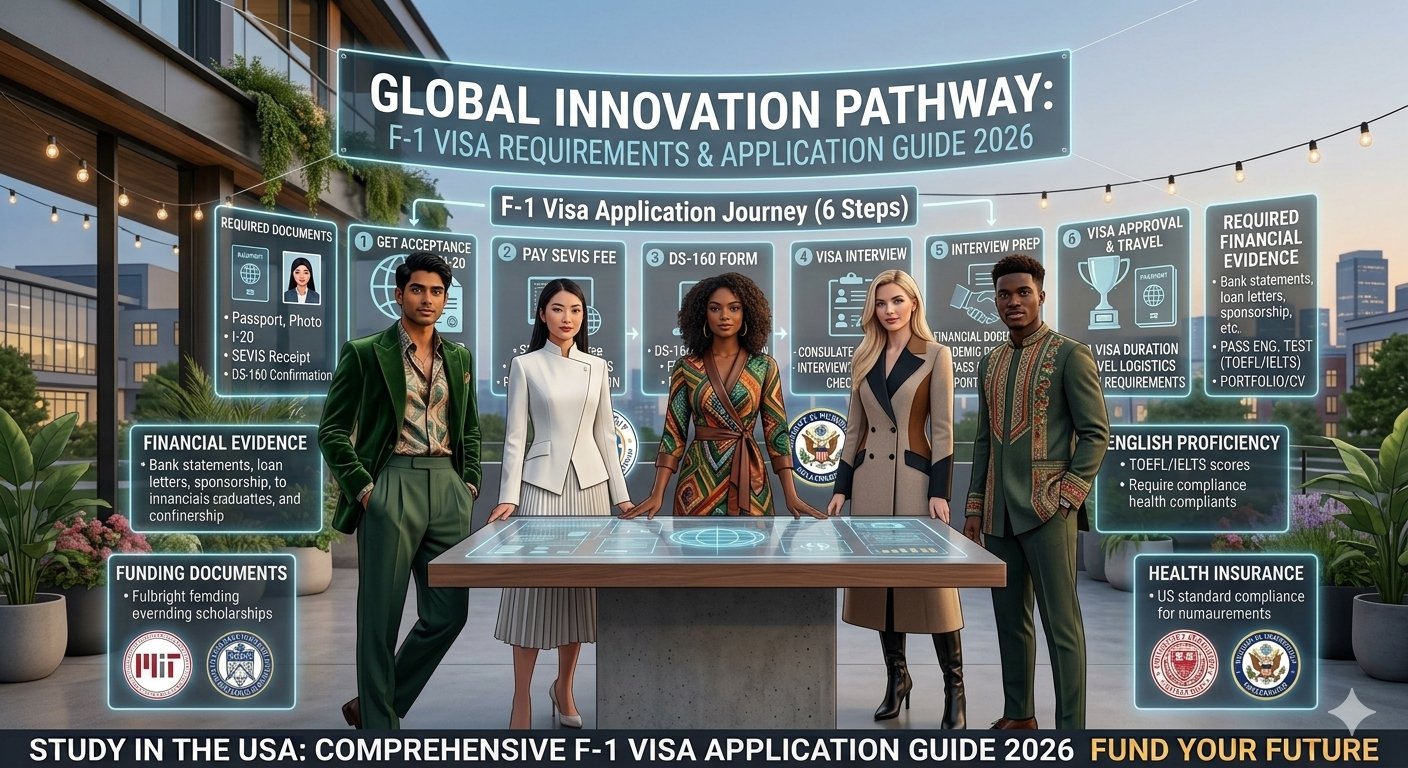
USA Student Visa 2026: F-1 Visa Requirements & Aplication Guide
USA Student Visa 2026: Complete F-1 Visa Guide for International Students
Getting admission to a university in the United States is an exciting achievement, but international students need to complete another important step before beginning their studies: obtaining the appropriate student visa.
For most international students enrolling in academic programs in the United States, the F-1 student visa is the primary visa category. Understanding the process early can help students organize their documents, prepare for the visa interview, and avoid common mistakes.
The U.S. student visa process involves several stages, beginning with admission to a school certified to enroll international students and continuing through the required immigration documentation, visa application, and interview.
This guide explains the major steps international students should understand when preparing for a U.S. student visa in 2026.
What Is an F-1 Student Visa?
An F-1 visa is a nonimmigrant visa generally used by international students who want to study at an approved U.S. educational institution.
Students may use an F-1 visa for eligible academic programs, including undergraduate and graduate studies. The visa is connected to the student’s educational purpose, so applicants need to demonstrate that they intend to pursue their approved course of study.
The visa itself is only one part of the process. Students must also maintain their immigration status after entering the United States.
Who Needs a U.S. Student Visa?
International students who plan to study in the United States generally need the appropriate student immigration status.
The correct category depends on the type of program.
F-1 Visa
The F-1 category is commonly associated with academic students attending universities, colleges, high schools, language programs, and other qualifying educational institutions.
M-1 Visa
The M-1 category is generally associated with vocational or other recognized nonacademic programs.
J-1 Visa
Some exchange visitors and students participate in programs under the J-1 exchange visitor category.
Because visa classifications depend on the program and circumstances, students should follow the instructions provided by their school and official U.S. government sources.
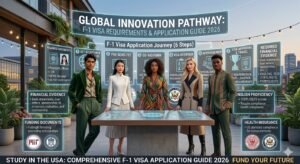
Step-by-Step F-1 Visa Process
The student visa process can look complicated at first, but breaking it into individual stages makes it easier to understand.
Step 1: Apply to a U.S. University
Before applying for an F-1 visa, students normally need admission to a qualifying U.S. educational institution.
Students should research universities based on:
- Academic programs
- Tuition
- Scholarships
- Location
- Admission requirements
- Campus facilities
- Career opportunities
- International student services
Do not choose a university solely because it has a famous name. The program, cost, and overall fit are equally important.
Step 2: Receive Your Admission Decision
Once a university reviews your application, it may provide an admission decision.
If you are accepted and decide to attend, follow the institution’s instructions for international students.
The university’s international student office will typically guide you through the next immigration-related steps.
Step 3: Receive Form I-20
For an F-1 student, the Form I-20 is an important document issued by the school.
It contains information about the student’s academic program and estimated financial requirements.
Students should carefully check their I-20 for errors. Personal details, program information, and other important information should be accurate.
If something appears incorrect, contact the university before proceeding.
Step 4: Pay the Required SEVIS Fee
Students in applicable F or M visa categories generally need to pay the required I-901 SEVIS fee before applying for their visa.
SEVIS stands for the Student and Exchange Visitor Information System.
Students should keep proof of payment because it may be needed during the visa process.
Step 5: Complete the DS-160
The DS-160 is the online nonimmigrant visa application form.
Applicants need to provide information about themselves, their travel plans, educational background, and other relevant details.
Because the form contains important personal information, students should complete it carefully.
Tips for Completing the DS-160
Before submitting the form:
- Check spelling carefully
- Keep your passport information available
- Review your educational history
- Check dates for consistency
- Save relevant confirmation information
- Make sure answers are truthful
Do not guess important information when accurate details are available.
Step 6: Schedule the Visa Appointment
After completing the necessary application steps, students can follow the U.S. embassy or consulate instructions applicable to their location.
Appointment procedures, availability, fees, and other details can vary by country and can change over time.
Students should rely on official U.S. government sources for current appointment instructions rather than outdated social-media posts or unofficial websites.
Documents for the F-1 Visa Interview
Students should prepare the documents requested by the relevant U.S. embassy or consulate.
Depending on individual circumstances, important documents may include:
- Valid passport
- DS-160 confirmation
- Visa appointment information
- Form I-20
- SEVIS fee payment evidence
- University admission information
- Academic records
- Test scores where relevant
- Financial documents
- Scholarship information
- Other documents requested by the embassy or consulate
The exact document list can vary, so applicants should check current official instructions before attending their interview.
Financial Proof for International Students
Financial preparation is an important part of studying in the United States.
Students need to understand how their education and living expenses will be funded.
Possible sources can include:
- Personal or family funds
- Scholarships
- University financial aid
- Sponsorship
- Other legitimate financial resources
The Form I-20 contains estimated financial information related to the student’s program.
Applicants should be prepared to explain their funding clearly and provide genuine supporting documentation when requested.
What Should Financial Documents Show?
Financial documents should be understandable and consistent with the student’s overall circumstances.
Depending on the situation, documents may include bank statements, scholarship letters, sponsorship documentation, or other evidence requested during the process.
Never submit fake financial documents. Misrepresentation can create serious immigration consequences.
Preparing for the Visa Interview
The visa interview can make many students nervous, especially when they are unsure what questions they will be asked.
There is no single list of questions that applies to every applicant.
However, students should be prepared to explain their educational plans clearly.
Common Topics
A student may be asked about:
- Why they selected the United States
- Why they chose their university
- What they plan to study
- How their education will be financed
- Their academic background
- Their future plans
- Why the selected program makes sense for their goals
Keep Your Answers Clear
Students should answer honestly and directly.
There is usually no benefit in memorizing lengthy speeches. Instead, understand your application well enough to explain your plans naturally.
For example, if you are studying computer science, you should be able to explain why you selected that field and why the particular university’s program fits your interests.
What If Your Visa Application Is Refused?
A visa refusal does not necessarily mean that a student can never apply again.
The reason for the decision matters, and applicants should carefully understand any information provided by the consular officer.
If circumstances change or additional information becomes available, students should follow the appropriate official procedures rather than relying on advice from unverified sources.
Common F-1 Visa Mistakes
International students can reduce avoidable problems by preparing carefully.
Giving Inconsistent Information
Information in your visa application, university documents, academic records, and interview answers should be truthful and consistent.
Not Understanding Your University
Students should know basic information about the institution they plan to attend.
Be familiar with your program, degree, location, and reasons for choosing the university.
Poor Financial Preparation
Applicants should understand who is paying for their education and how the expenses will be covered.
Using Fake Documents
Never submit fraudulent academic, financial, employment, or immigration documents.
Relying on Unofficial Advice
Visa policies and procedures can change. Information from an old video or social-media post may no longer be accurate.
For current requirements, use official U.S. government and university resources.
When Should You Apply for Your F-1 Visa?
Students should begin the process early enough to allow time for document preparation, appointments, and other requirements.
The exact timing depends on the student’s university start date and local visa procedures.
Do not wait until the last moment if you can reasonably begin preparation earlier.
A Simple Preparation Timeline
Several months before departure:
Finalize university admission and review immigration instructions.
After receiving required school documentation:
Complete the applicable SEVIS and visa application steps.
Before the interview:
Organize documents and review your academic and financial information.
After visa issuance:
Follow university instructions for travel, arrival, orientation, and enrollment.
What Happens After Getting the Visa?
Receiving an F-1 visa is not the end of the process.
Students still need to prepare for their move to America.
Before departure, consider:
- University housing
- Flight arrangements
- Health insurance
- Important documents
- Emergency contacts
- Banking arrangements
- Mobile phone service
- Airport transportation
- University orientation
Keep important documents accessible while traveling rather than placing everything in checked luggage.
Working While Studying on an F-1 Visa
International students should be particularly careful about employment rules.
F-1 status has specific regulations concerning employment, and not every type of work is automatically permitted.
Students should consult their university’s designated school official before accepting employment or starting an activity that could have immigration implications.
Never assume that a job is permitted simply because other students are doing it.
Can F-1 Students Stay in the USA After Graduation?
Some international graduates may have options to gain practical experience related to their studies after completing an eligible program.
One well-known pathway is Optional Practical Training (OPT), subject to applicable rules and eligibility requirements. Certain STEM graduates may also qualify for an extension under applicable STEM OPT regulations.
Students should discuss their circumstances with their university’s international student office because immigration rules can be detailed and may change.
How Much Money Should You Prepare?
There is no single budget that applies to every international student.
Costs depend on:
- University tuition
- Housing
- City
- Food
- Transportation
- Health insurance
- Personal expenses
- Program length
Students should use their university’s official cost-of-attendance information when preparing their financial plan.
A scholarship can reduce costs, but students should understand exactly which expenses it covers.
Final F-1 Visa Checklist
Before your visa interview and departure, review the following:
- University admission confirmed
- Form I-20 received
- Passport valid
- SEVIS fee completed where applicable
- DS-160 completed
- Visa appointment arranged
- Financial documents prepared
- Academic documents organized
- Scholarship documents available
- University program understood
- Housing researched
- Travel arrangements planned
Final Thoughts
The U.S. student visa process requires careful preparation, but international students can make it much easier by taking each step individually.
Start with university admission, understand the required immigration documents, prepare your financial information, complete the visa application accurately, and learn about your intended academic program.
Most importantly, use official U.S. government and university information for current visa requirements because procedures, fees, appointment systems, and immigration policies can change.
For students planning to study in the United States in 2026, early preparation can provide valuable time to organize documents, understand the process, and prepare confidently for the next stage of their international education journey.