



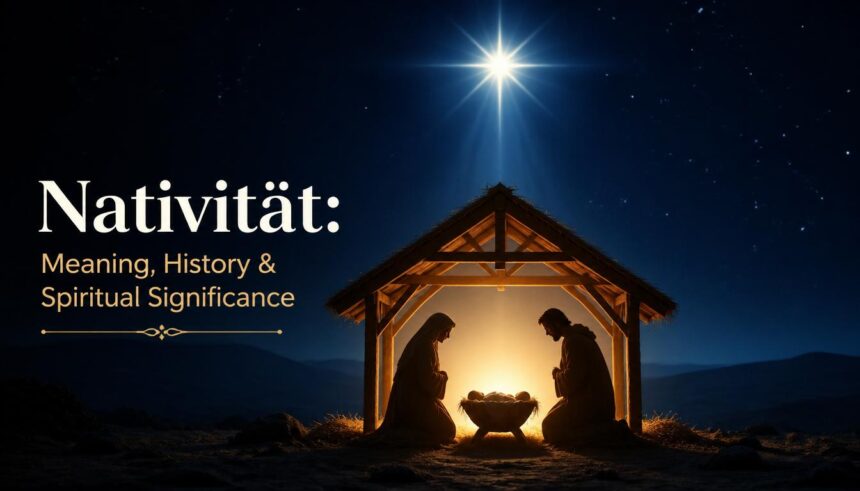
The word Nativität is one of those terms that carries a rich meaning far beyond its simple definition. While many people associate it directly with the birth of Jesus Christ, the concept of Nativität has a deeper historical, cultural, and spiritual background that has influenced societies for centuries. Across Europe and many other parts of the world, the idea of Nativität continues to shape religious celebrations, artistic traditions, and personal beliefs about faith, hope, and renewal.
- Understanding the Meaning of Nativität
- The Historical Origins of Nativität
- Nativität and the Birth of Jesus Christ
- The Spiritual Significance of Nativität
- How Nativität Shaped Christmas Traditions
- Nativität in Art, Literature, and Music
- The Symbolism Behind the Nativity Story
- Nativität in Modern Society
- The Global Influence of Nativität
- Why People Continue to Study Nativität Today
In today’s world, where traditions often compete with modern lifestyles, the meaning of Nativität remains surprisingly relevant. People continue to explore its origins not only from a religious perspective but also as a cultural symbol that connects generations. Whether seen through the lens of history, spirituality, or tradition, Nativität offers valuable insights into how communities celebrate birth, new beginnings, and the promise of a better future.
Understanding the Meaning of Nativität
The term Nativität comes from the Latin word “nativitas,” which means birth or origin. In German-speaking regions, Nativität is most commonly associated with the Nativity of Jesus Christ. However, the word itself carries a broader meaning that extends beyond a single historical event. It represents the idea of coming into existence, the beginning of life, and the significance of birth as a transformative moment.
Over time, Nativität became closely connected with Christian theology and Christmas traditions. When people refer to the Nativität, they are often talking about the story of Jesus’ birth in Bethlehem. This event is viewed by Christians as one of the most important moments in religious history because it marks the arrival of a figure believed to bring salvation and spiritual guidance to humanity.
The concept also appears in art, literature, music, and architecture. Churches, paintings, sculptures, and holiday displays frequently portray scenes of the Nativität. These artistic interpretations help preserve the story while allowing each generation to connect with its meaning in new and meaningful ways.
The Historical Origins of Nativität
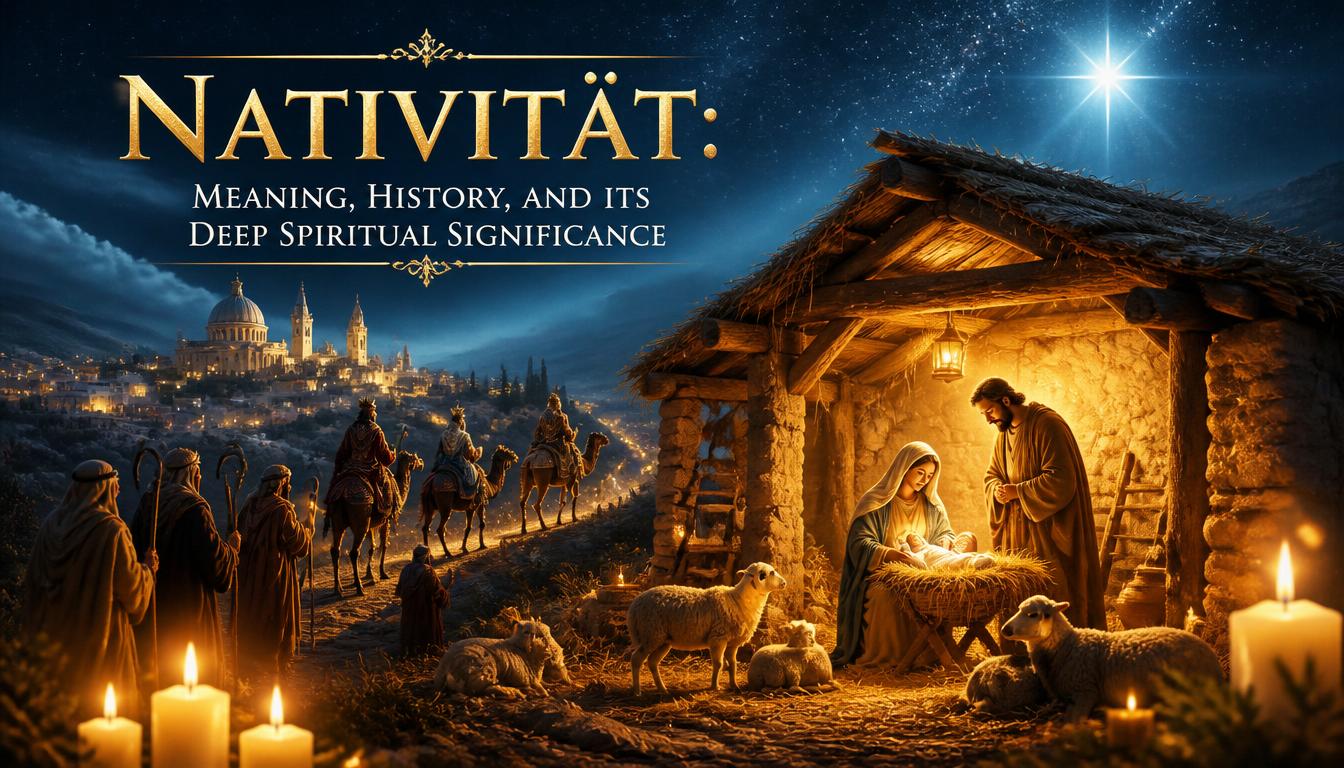
The roots of Nativität can be traced back to the early centuries of Christianity. While the birth of Jesus is described in the New Testament, the formal celebration of this event developed gradually over time. Early Christians focused more heavily on the resurrection of Christ, and it was only later that the Nativity gained a central place in religious observance.
By the fourth century, Christmas celebrations became more established throughout the Christian world. As churches sought to commemorate the birth of Jesus, the concept of Nativität gained greater significance. Religious leaders emphasized the importance of remembering the circumstances surrounding Christ’s birth, including themes of humility, compassion, and divine purpose.
As Christianity spread across Europe, local cultures incorporated their own customs into Nativity celebrations. This blending of traditions helped shape many of the Christmas practices still observed today. From nativity scenes to festive music and seasonal gatherings, the influence of Nativität became deeply woven into European cultural identity.
Nativität and the Birth of Jesus Christ
For Christians, the story of Nativität centers on the birth of Jesus in Bethlehem. According to biblical accounts, Mary and Joseph traveled to Bethlehem, where Jesus was born in humble surroundings. This simple setting became one of the most powerful symbols associated with the Nativity story.
The image of a child born in modest circumstances carries profound spiritual meaning. It highlights themes of humility, equality, and hope. Rather than entering the world through wealth or political power, Jesus is portrayed as arriving in a way that allows people from all backgrounds to relate to his story. This message has remained central to Christian teachings for centuries.
Throughout history, believers have reflected on the Nativity story as a reminder that greatness can emerge from unexpected places. The account encourages people to focus on compassion, kindness, and faith rather than material success. Because of these values, the story continues to inspire individuals and communities around the world.
The Spiritual Significance of Nativität
One of the reasons Nativität remains meaningful today is its powerful spiritual symbolism. At its core, the concept represents new beginnings. Birth symbolizes the start of a journey, the arrival of new possibilities, and the promise of growth. This idea resonates with people regardless of their specific religious beliefs.
Many Christians view the Nativity as evidence of God’s love for humanity. The birth of Jesus is interpreted as a divine act that brings hope, forgiveness, and spiritual renewal. During the Christmas season, churches often focus on these themes, encouraging believers to strengthen their faith and reconnect with their spiritual values.
Even outside religious contexts, the symbolism of Nativität can be deeply moving. People often associate it with family, community, generosity, and the importance of helping others. In a world that can sometimes feel divided, the message of hope and renewal found within the concept of Nativität continues to offer comfort and inspiration.
How Nativität Shaped Christmas Traditions
The influence of Nativität on Christmas traditions is difficult to overstate. Many of the customs people associate with Christmas today have roots in the Nativity story. From church services and nativity plays to festive decorations and family gatherings, the celebration of Christ’s birth remains at the heart of the holiday season for millions of people around the world.
One of the most recognizable traditions is the Nativity scene, often referred to as a crèche. These displays typically include figures representing Mary, Joseph, the baby Jesus, shepherds, angels, and the Three Wise Men. The tradition became especially popular after Saint Francis of Assisi introduced live Nativity reenactments during the thirteenth century. His goal was to help ordinary people connect emotionally with the story of Jesus’ birth.
Over the centuries, different cultures developed unique ways of celebrating Nativität. In Germany, Austria, and other European countries, Christmas markets, special church services, and seasonal music became important expressions of faith and community. These traditions continue to bring people together while preserving the spiritual message behind the holiday.
Nativität in Art, Literature, and Music
Throughout history, artists have found endless inspiration in the theme of Nativität. Some of the world’s most famous paintings depict scenes from the Nativity story. Renaissance masters created detailed works that not only portrayed the birth of Jesus but also reflected the cultural values and artistic styles of their time.
Literature has also played a major role in preserving and sharing the meaning of Nativität. Religious texts, poems, and holiday stories often revisit the themes of hope, humility, and redemption found within the Nativity narrative. Writers have used these themes to explore broader questions about human nature, faith, and the search for meaning.
Music remains another powerful expression of Nativität. Traditional Christmas carols and sacred compositions continue to be performed in churches, concert halls, and homes around the world. Songs that celebrate the Nativity help people connect emotionally with the story while reinforcing its message of peace and goodwill. Even in modern times, new musical interpretations continue to keep the tradition alive for younger generations.
The Symbolism Behind the Nativity Story
The story of Nativität contains numerous symbols that contribute to its enduring appeal. The humble stable where Jesus was born serves as a reminder that true value is not determined by wealth or social status. This message continues to resonate in a world where success is often measured by material achievements.
The star of Bethlehem represents guidance and hope. According to tradition, it led the Wise Men to the location of Jesus’ birth. For many believers, the star symbolizes spiritual direction and the search for truth. Its image frequently appears in Christmas decorations, reminding people of the journey toward understanding and faith.
The shepherds and Wise Men symbolize different parts of humanity coming together in recognition of something greater than themselves. Their presence in the Nativity story suggests that spiritual truth is accessible to all people regardless of their background, education, or social position. This universal message is one reason the story continues to inspire audiences across cultures and generations.
Nativität in Modern Society
Although society has changed dramatically over the centuries, the relevance of Nativität remains strong. In an increasingly digital and fast-paced world, many people find comfort in traditions that emphasize family, reflection, and meaningful connections. The Nativity story provides an opportunity to pause and focus on values that often get overlooked in everyday life.
Modern celebrations of Nativität frequently blend traditional and contemporary elements. Churches livestream Christmas services, families share holiday moments on social media, and digital platforms make Nativity-related content accessible to global audiences. These technological developments have allowed the message of Nativität to reach more people than ever before.
At the same time, many individuals explore the story from a broader cultural perspective rather than strictly a religious one. They appreciate its themes of compassion, generosity, and hope. These universal values help explain why the concept continues to remain meaningful even among people with diverse beliefs and backgrounds.
The Global Influence of Nativität
The impact of Nativität extends far beyond Europe and the Christian world. Christmas celebrations inspired by the Nativity story can be found across North America, South America, Africa, Asia, and Oceania. Each region has adapted the tradition in ways that reflect local customs and cultural identities.
In many countries, Nativity plays serve as educational tools that help younger generations learn about the story and its significance. Communities often organize public performances that combine religious teachings with local artistic traditions. These events strengthen cultural bonds while keeping historical narratives alive.
The worldwide popularity of Christmas has also contributed to the global recognition of Nativität. Even in places where Christianity is not the dominant religion, people are often familiar with the basic elements of the Nativity story. This widespread awareness highlights the remarkable cultural influence that the concept has achieved over the centuries.
Why People Continue to Study Nativität Today
Interest in Nativität remains strong because it touches on timeless questions about life, purpose, and human connection. Historians study the development of Nativity traditions to better understand the evolution of religious and cultural practices. Theologians examine the story’s spiritual implications, while artists and writers continue to reinterpret its themes for modern audiences.
For many individuals, learning about Nativität provides a deeper appreciation of Christmas and its origins. Understanding the historical context behind familiar traditions can make seasonal celebrations feel more meaningful and authentic. It also helps people recognize how cultural practices evolve while preserving their core messages.
In an age where information is readily available, curiosity about Nativität continues to grow. Online resources, documentaries, books, and educational programs allow people to explore the topic from multiple perspectives. This ongoing interest demonstrates the enduring relevance of a story that has inspired humanity for generations.
Conclusion
Nativität is far more than a historical event or a holiday tradition. It represents birth, hope, renewal, and the enduring belief that meaningful change can begin in the most humble circumstances. From its ancient origins and religious foundations to its influence on art, culture, and modern society, Nativität continues to inspire people around the world. Its timeless message of compassion, faith, and new beginnings ensures that it remains a significant and deeply meaningful concept for generations to come.